

Insights
Insights into the current political and economic challenges facing businesses today
Middle East tensions push UK inflation up
Martin Beck, Chief Economist | Economic Consulting and Analysis
CPI inflation rose to 3.3% in March, driven by higher petrol prices. While core inflation eased slightly, services inflation remained elevated. While inflation is likely to increase further, we think the primary impact of the conflict in the Middle East will be weaker growth rather than a sustained surge in price pressures.

UK labour market weakens as external pressures build
Martin Beck, Chief Economist | Economic Consulting and Analysis
The UK labour market looks to have entered the current economic turmoil in a fragile state, with falling payrolls, declining vacancies and slowing wage growth. Higher energy costs and geopolitical uncertainty risk pushing real wages down again, squeezing household spending.

UK economy rebounds in February, but the outlook has darkened
Martin Beck, Chief Economist | Economic Consulting and Analysis
The UK now looks set for a firmer Q1, but the outlook beyond that has worsened. Higher energy costs and geopolitical disruption point to weaker growth and stickier inflation later this year. Recent events have also strengthened the case for a more pragmatic UK energy policy.

GDP growth stalls as economic challenges mount
Martin Beck, Chief Economist | Economic Consulting and Analysis
The UK economy grew by just 0.1% in Q4 2025, reflecting ongoing consumer caution and falling business investment. With rising energy prices and geopolitical uncertainty, the near-term outlook is grim, with the potential for stagnation or negative growth in 2026.

February inflation holds at 3%, but energy shock clouds the outlook
Martin Beck, Chief Economist | Economic Consulting and Analysis
UK inflation held steady at 3% in February, with core inflation rising slightly to 3.2%. A sharp rise in energy prices, driven by Middle East tensions, is likely to push inflation up. Despite this, tighter monetary policy and a softer labour market suggest inflationary pressures will likely be transitory this time, with lower growth and higher unemployment bearing the burden.

NEETS and TATTIES: Too many cooks are spoiling the broth on youth unemployment.
Daniel Wild, Associate Director and Will Gardner, Junior Consultant | Public Affairs and Corporate Communications
Labour’s £1 billion youth employment package shows intent, but does it treat symptoms rather than causes? Grants may help some employers hire, yet higher business costs still threaten the retail and hospitality jobs many young people historically rely on. Without joined-up policy, the NEETs crisis risks adding to the burden of student loans and a challenging housing market, fuelling disillusionment amongst young people.

Labour market steadies, but energy shock clouds the outlook
Martin Beck, Chief Economist | Economic Consulting and Analysis
The labour market steadied somewhat at the start of 2026, but remains weak beneath the surface, especially for younger and entry-level workers. But a fresh energy price shock now threatens to hit demand and employment, limiting the scope for the Bank of England to cut rates.

GDP stalls at the start of 2026 as global risks gather
Martin Beck, Chief Economist | Economic Consulting and Analysis
UK GDP flatlined in January, undershooting expectations and highlighting weak momentum at the start of 2026. With geopolitical tensions pushing up energy prices, whether growth recovers may depend more on global events than domestic conditions.
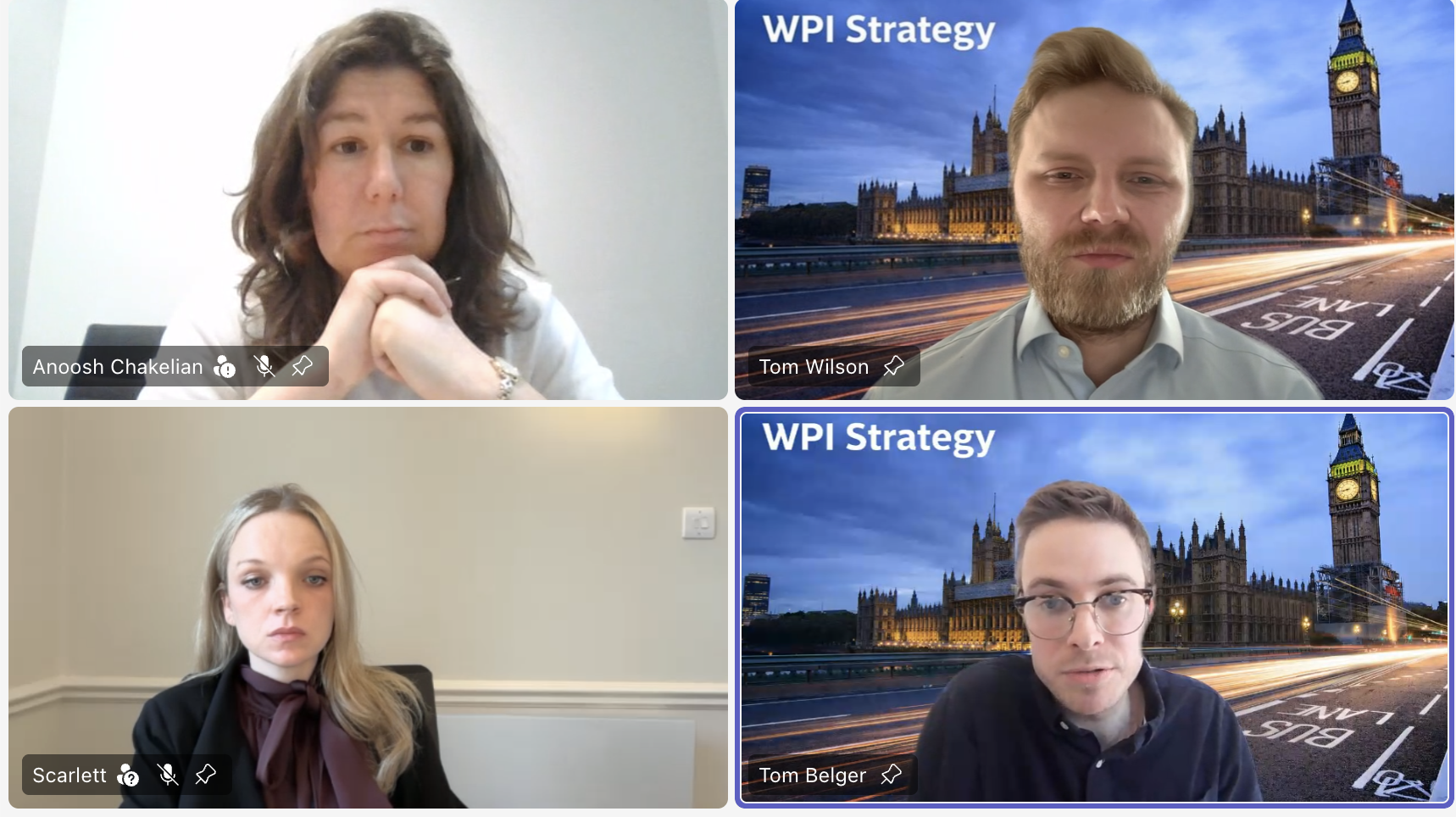
After Gorton and Denton, who are Labour’s voters now?
Vincenzo Rampulla, Director | Public Affairs and Corporate Communications
After the Gorton and Denton by-election, a panel convened by WPI Strategy argued that while Keir Starmer is safe for now, his position remains fragile amid widespread frustration with mainstream politics. Labour may struggle to win back Reform voters, while those drifting to the Greens could prove decisive. The party faces a deeper identity challenge: clarifying who it stands for and articulating a more compelling offer on the cost of living and economic fairness.

Spring Statement 2026: Stability claimed, fragility exposed
Martin Beck, Chief Economist | Economic Consulting and Analysis
The Spring Statement delivered restraint, not surprises, with stability prioritised over short-term politics.
Growth was downgraded slightly, but the medium-term fiscal outlook remains broadly intact. Yet rising geopolitical and inflation risks mean economic stability is conditional and fragile.
Gorton and Denton is a wake up call, but will leave Labour even more divided
Tom Wilson, Associate Director | Public Affairs and Corporate Communications
The Greens’ by-election win in Gorton and Denton, pushing Labour into third place, is a serious blow to Keir Starmer and deepens divisions within the party. Labour now faces mounting pressure from the Greens in urban seats and Reform UK in working-class areas, reigniting internal conflict over its future direction.

Spring Statement preview: Inaction is a virtue
Martin Beck, Chief Economist | Economic Consulting and Analysis
The Spring Statement on 3 March is set to be deliberately “boring”, and that may be its strength. With borrowing undershooting forecasts and inflation easing, the public finances have a slightly firmer footing, even if headroom remains tight.
The likely message is that stability and restraint, rather than fresh fiscal activism, offer the most credible route to growth, provided attention isn’t diverted from long-term supply-side reform.

Better signs, amid labour market struggles
Martin Beck, Chief Economist | Economic Consulting and Analysis
The UK economy showed signs of improvement at the start of 2026, despite ongoing challenges in the labour market. While payroll employment continues to decline, retail sales have been robust, the public finances are improving and inflation is heading down.
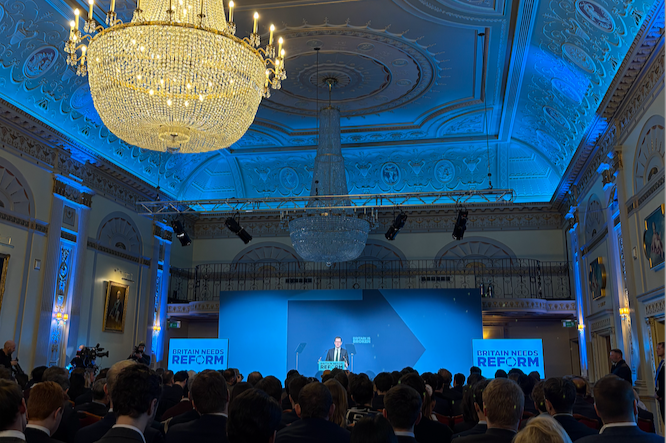
Stick or Twist: What Farage’s Bobby J gamble means for Planet Reform
Daniel Wild, Associate Director | Public Affairs and Corporate Communications
Following the announcement of Reform UK’s first ‘Shadow Cabinet’, Daniel Wild breaks down how Robert Jenrick’s Chancellor role targets external communication and how his appointment may impact internal policymaking

Inflation falls back to 3%, opening the rate cut window further
Martin Beck, Chief Economist | Economic Consulting and Analysis
Inflation cooled sharply in January, with CPI falling to 3% and core inflation hitting the lowest in over four years. While services inflation remains sticky, easing pay growth and weaker economic momentum strengthen the case for further interest rate cuts. On current trends, inflation could fall below target by spring, increasing the likelihood of monetary easing in the months ahead.

Labour market softens - but no sign of collapse yet
Martin Beck, Chief Economist | Economic Consulting and Analysis
Payroll employment fell for the fifth straight month in January and unemployment edged up, with younger workers hit hardest, but the pace of deterioration may be easing. Pay growth is cooling, strengthening the case for a rate cut, but higher hiring costs remain a structural headwind for job creation.

Can government move fast and fix things online for young people?
Vincenzo Rampulla, Director | Public Affairs and Corporate Communications
With sweeping proposals from social media curfews to AI bans, Ministers have revealed plans to tighten children’s online safety following consultation periods.
Labour’s crisis leaves MPs the power behind the throne
Tom Belger, Senior Advisor | Public Affairs and Corporate Communications
With Morgan McSweeney gone and Labour terrified of rebellions, MPs and the cabinet have cemented themselves in McSweeney’s place as the real power behind the throne.

UK Economy enters 2026 on shaky ground - but brighter prospects aren’t dead yet
Martin Beck, Chief Economist | Economic Consulting and Analysis
The UK ended 2025 with quarterly growth stuck at just 0.1%, as subdued consumer spending and a sharp fall in business investment left the economy lacking momentum. However, falling inflation, improving business surveys and the prospect of further rate cuts suggest 2026 could prove somewhat stronger than the current consensus.

A finely balanced MPC edges towards cuts
Martin Beck, Chief Economist | Economic Consulting and Analysis
A narrow 5–4 vote to hold rates in the Bank of England’s latest decision points to fading inflation risks and growing concern about weaker growth, setting the stage for a likely cut as soon as next month and a more supportive backdrop for UK demand and investment.